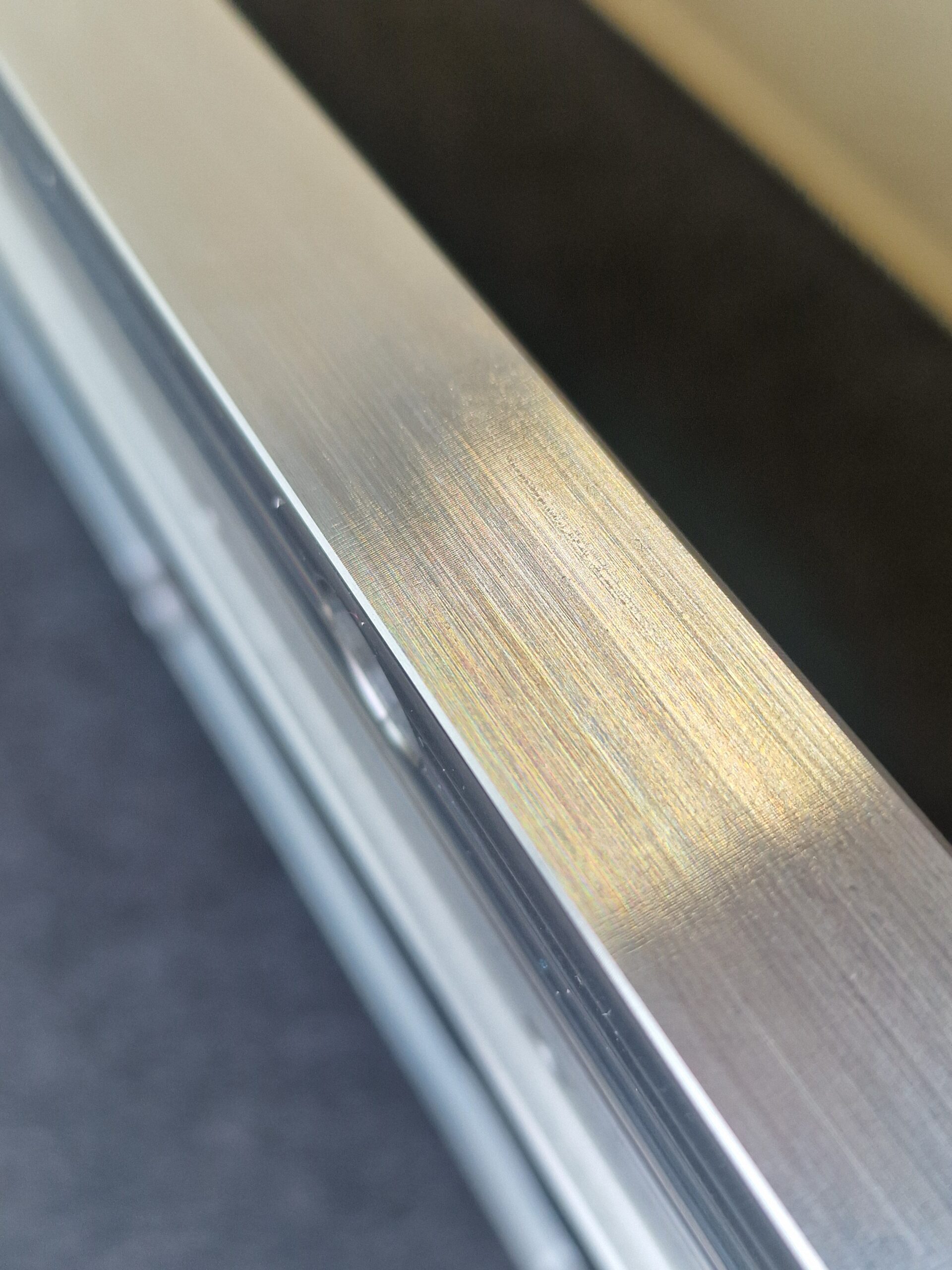
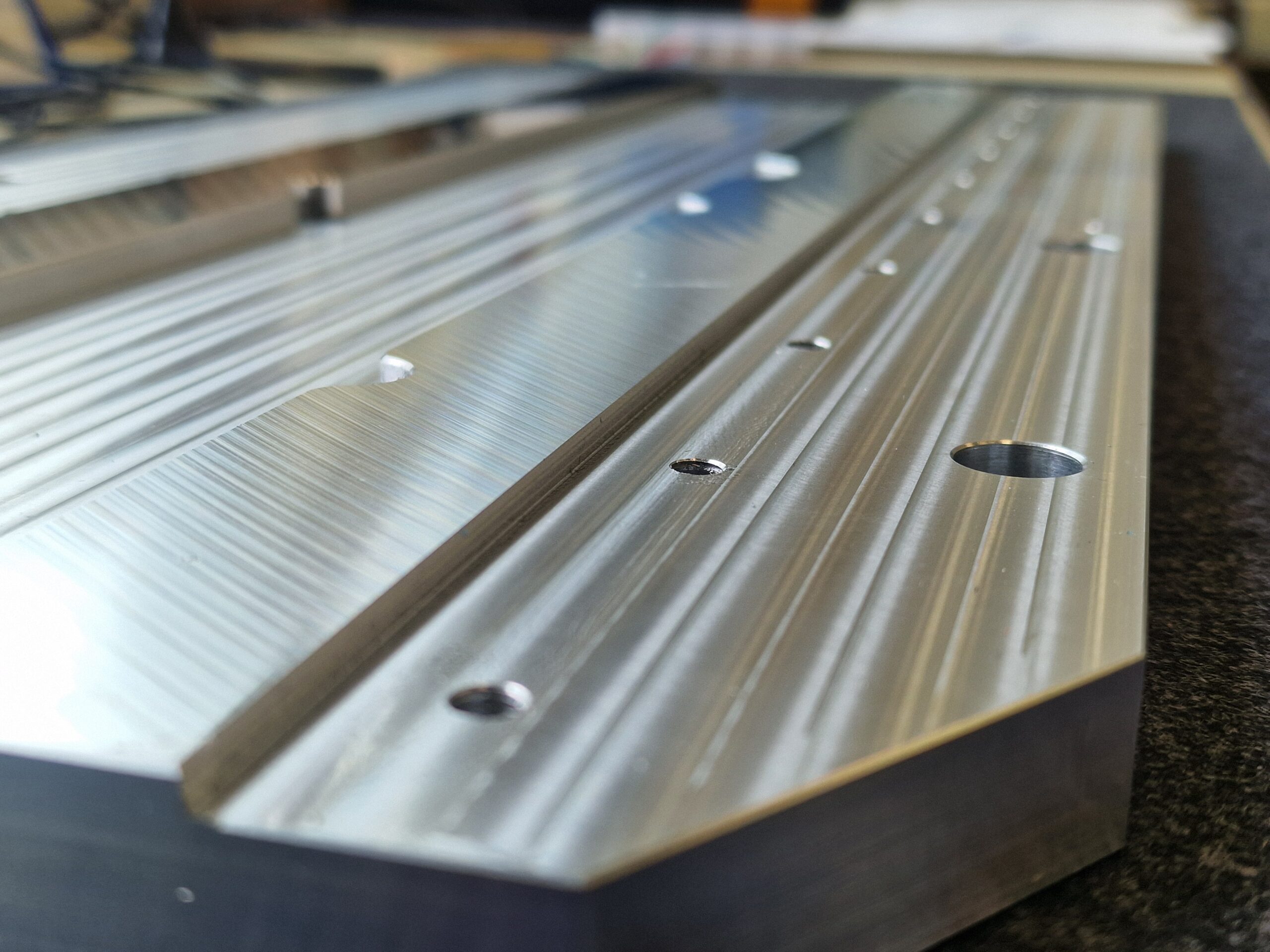
High-Speed CNC Milling of Aluminium 5083: Surface Quality with the X-LINE
Aluminium EN AW-5083 is widely used in industrial applications where strength, corrosion resistance and low weight are important. Achieving a good surface finish when milling this material depends on several factors, including spindle speed, cutting tool selection, cooling and lubrication, workpiece clamping, and machine stability.
At XPATH CNC, we develop and manufacture CNC milling machines designed for professional machining applications. In this article, we share an example of machining EN AW-5083 aluminium on our X-LINE CNC milling machine, using a spindle speed of approximately 21,500 rpm and a three-flute cutting tool with a DLC (Diamond-Like Carbon) coating.
Machining EN AW-5083 Aluminium
EN AW-5083 is an aluminium-magnesium alloy used in a variety of industrial applications. When milling this material, the cutting process must be set up carefully to achieve the required surface quality and reliable machining performance.
The result depends not only on spindle speed, but also on the cutting tool, cutting conditions, chip evacuation, cooling and lubrication, workpiece stability, and the rigidity of the machine.
For this application, we used our X-LINE CNC milling machine to demonstrate high-speed machining of EN AW-5083 aluminium.
Three-Flute DLC-Coated Cutting Tools for Aluminium
Cutting tool selection plays an important role in aluminium milling. The tool geometry, number of cutting edges and coating can all influence chip formation, friction and the resulting surface finish.
For this application, we used a three-flute cutting tool with a DLC (Diamond-Like Carbon) coating.
DLC coatings are used in selected machining applications to reduce friction and help limit material adhesion to the cutting tool. This can be beneficial when machining aluminium, where built-up material on the cutting edge may affect cutting performance and surface quality.
However, the final result also depends on choosing a suitable tool and using cutting conditions recommended for the specific tool, material and operation.
Tool Cooling and Lubrication in CNC Aluminium Milling
Proper cooling and lubrication are important considerations when milling aluminium. The appropriate method depends on the cutting tool, machining conditions, material removal process and requirements of the application.
For this machining example, we used a mist system that delivers a mixture of emulsion and air to the cutting area. Depending on the setup, this method can help provide lubrication, manage friction and support chip evacuation.
The cooling and lubrication method should be selected in accordance with the cutting tool manufacturer’s recommendations and the needs of the specific machining operation. The aim is to maintain stable cutting conditions while achieving the required surface quality.
Workpiece Clamping and Stability During Aluminium Milling
Secure workpiece clamping is essential for consistent CNC milling results. If a workpiece moves or vibrates during machining, the result may be affected, particularly when surface quality and dimensional accuracy are important.
For this application, we clamped the aluminium workpiece using a vacuum table. Vacuum clamping can be a practical solution for suitable workpieces, provided that the contact surface, sealing, vacuum level, workpiece geometry and cutting forces allow the part to remain securely held throughout machining.
Choosing the right clamping method is therefore an important part of preparing a reliable machining process. The workpiece must remain stable during the entire operation.
Surface Finish in CNC Aluminium Milling
Achieving a good surface finish when milling aluminium requires the machining process to work as a complete system. Spindle speed alone does not determine the final result.
Important factors include:
Cutting tool geometry and condition: The tool must be suitable for aluminium and the intended operation.
Cutting conditions: Spindle speed, feed rate and depth of cut should be selected for the tool, material and machining task.
Cooling and lubrication: The selected method should suit the cutting process and tool manufacturer’s recommendations.
Workpiece clamping: Stable clamping helps prevent unwanted movement and vibration.
Machine stability: The machine structure and setup influence the behaviour of the machining process.
In our EN AW-5083 aluminium machining example, we used a spindle speed of approximately 21,500 rpm, a three-flute DLC-coated cutting tool, a mist system with an emulsion-and-air mixture, and a vacuum table to hold the workpiece.
These details describe the setup used for this application. Actual machining parameters and achievable surface quality will depend on the specific tool, workpiece geometry, machining strategy and operating conditions.
Discover the X-LINE CNC Milling Machine