How to Choose a CNC Milling Machine: Professional Performance Without Overinvestment
Choosing the right CNC milling machine is an important decision for any business that wants to manufacture precision parts, develop new products or bring more machining processes in-house. The right machine should provide the capabilities needed for demanding projects while keeping the investment appropriate for the company’s production requirements.
Not every business needs a large, high-investment industrial machining centre. At the same time, basic CNC equipment may not offer the rigidity, flexibility or capabilities required for more complex components and professional production.
At XPATH CNC, we focus on this important segment of the market: professional CNC milling machines that combine robust construction, practical functionality and competitive investment costs. Our goal is to help businesses manufacture quality parts, take on more demanding projects and expand their production capabilities without automatically moving into the highest-cost category of industrial machinery.
In this guide, we explain the key factors to consider when choosing a CNC milling machine and how to identify the right solution for your application.
What Should You Consider When Choosing a CNC Milling Machine?
The best CNC milling machine is not necessarily the largest or the most powerful. It is the machine that matches your workpieces, materials, production requirements and budget.
Before making a decision, consider the following factors.
1. Materials and Machining Requirements
Start by identifying the materials you intend to machine. Aluminium, plastics, composites and wood have different machining requirements, and the machine configuration should reflect the materials and operations involved.
For example, aluminium machining places particular demands on machine stability, cutting tools, spindle performance and chip management. Applications involving plastic sheets or composite materials may require a different combination of working area, tooling and machining strategy.
Consider not only your current projects but also the types of work you may want to take on in the future.
2. Working Area and Workpiece Dimensions
The available working area determines the size of the parts you can machine. However, the overall dimensions of a workpiece are only one consideration.
You should also account for workpiece clamping, tool access, the required Z-axis travel and the space needed for the machining operation.
A compact CNC milling machine may be ideal for smaller precision components and prototypes, while larger panels, moulds or structural components require a different machine format.
Choosing the right working area helps avoid paying for capacity you do not need or limiting the projects your business can accept.
3. Machine Rigidity and Stability
Machine construction plays an important role in machining performance. The structure must support the intended cutting forces and help maintain stable operation throughout the machining process.
Rigidity is particularly relevant when machining aluminium, producing complex geometries or working with demanding surface-finish requirements.
The machine’s frame, mechanical components, motion system, workpiece clamping and cutting parameters all contribute to the final result. No single specification guarantees a particular level of accuracy or surface quality.
When comparing machines, look beyond headline specifications and consider how the complete design supports your intended applications.
4. Spindle Speed and Power
Spindle speed and spindle power are important, but they serve different purposes.
Higher spindle speeds can be beneficial for certain tools, materials and machining strategies. Available spindle power also affects the types of cutting operations the machine can perform effectively.
The appropriate combination depends on the tool diameter, material, cutting conditions and required material removal rate.
Rather than selecting a machine based on the highest advertised spindle speed or power alone, match these specifications to your actual machining requirements.
5. Workpiece Clamping and Flexibility
A suitable clamping system helps secure the workpiece and supports consistent machining results.
Depending on the application, useful options may include T-slot clamping plates, vacuum tables or other dedicated workholding solutions.
Flexibility is particularly valuable for businesses that manufacture different parts in small batches, develop prototypes or regularly change between projects.
Before choosing a machine, consider how quickly and securely you can set up your typical workpieces.
6. Tool Changing and Production Workflow
If your machining operations require several tools, an automatic tool changer can reduce manual intervention and make tool changes part of the automated machining cycle.
The required tool capacity depends on the complexity of your parts and the number of operations performed in a single setup.
For some businesses, a simpler configuration may be sufficient. For others, automatic tool changing can make a meaningful difference to workflow and production efficiency.
The objective is to select the level of automation that supports your production needs rather than paying for features that will rarely be used.
The Professional Mid-Range CNC Milling Machine Segment
Between entry-level equipment and the most expensive industrial machining systems, there is a market for capable, professionally engineered CNC milling machines.
This segment is relevant to small and medium-sized manufacturers, specialised workshops, product-development companies and businesses that need to produce complex components without investing in a large industrial machining centre.
A well-configured machine in this category can support a broad range of work, from prototypes and individual components to repeatable small-batch production, depending on its design and the application.
The important consideration is not simply the purchase price. It is the balance between capability, construction, flexibility, operating costs and the type of work the machine enables your business to undertake.
Why Does This Market Segment Matter?
Businesses often face two competing requirements: they need sufficient machining capability to deliver demanding projects, but they also need to manage their investment carefully.
A suitable professional CNC milling machine can help bridge this gap by providing useful working dimensions, appropriate spindle performance, a stable mechanical design and practical configuration options.
For companies developing products or manufacturing specialised parts, this can open up opportunities to produce components in-house, test new designs and respond more flexibly to customer requirements.
The right solution will depend on the application, so it is important to evaluate the machine against real workpieces and machining tasks rather than relying on general categories alone.
How XPATH CNC Approaches This Market
At XPATH CNC, we develop and manufacture CNC milling machines for professional users who need practical machining capability, robust construction and a sensible balance between performance and investment.
Our machine range covers different applications rather than forcing every customer into the same configuration.
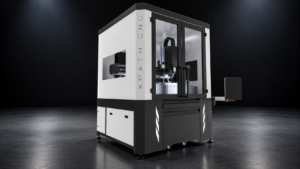
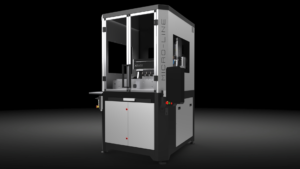
- XP-LINE CNC milling machine: A versatile solution for businesses that machine materials such as aluminium, plastics, wood and composites, with different working-area options.
- X-LINE CNC milling machine: Developed specifically for aluminium machining, with an epoxy-granite-filled base, an enclosed machining chamber and configurable spindle power options from 3.8 kW to 8.0 kW.
- XPX-LINE CNC milling machine: Designed for versatile machining of aluminium and plastic sheets, including applications where a robust and flexible machine is required.
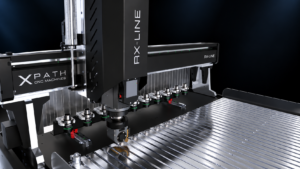
- RX-LINE CNC milling machine: A large-format solution for larger workpieces, panels and other applications that require an expanded working area.
Each model has a different purpose. The most suitable choice depends on the material, workpiece dimensions, machining operations and production workflow.
Can a Mid-Range CNC Milling Machine Handle Demanding Projects?
Yes, a professionally designed CNC milling machine in the mid-range market can be suitable for demanding projects when its capabilities match the application.
The machine must have the appropriate working area, mechanical stability, spindle configuration, tooling and workholding setup. Programming, cutting parameters and the operator’s experience also influence the result.
Projects may include precision aluminium components, product prototypes, custom parts, functional assemblies and small production batches. The suitability of any machine should be assessed against the actual requirements of the part, including its geometry, tolerances, material and surface-finish expectations.
At XPATH CNC, we believe that professional machining capability should be evaluated in terms of what a machine can reliably do for the customer, not solely by its price category or physical size.
Purchase Price Is Only Part of the Investment
When comparing CNC milling machines, consider the total cost of owning and operating the equipment.
Relevant factors include:
- The initial purchase price and selected configuration.
- Tooling, workholding and other required accessories.
- Maintenance and servicing requirements.
- Operator training and programming workflow.
- Material utilisation and production efficiency.
- The range of jobs the machine can handle.
A lower initial price does not automatically mean a lower long-term cost. Similarly, a more expensive machine is not necessarily the best choice if its additional capabilities are not needed for your work.
The goal is to select a machine that provides the right balance of capability, reliability, flexibility and investment for your business.
Questions to Ask Before Buying a CNC Milling Machine
Before requesting a quotation, it is useful to prepare answers to a few practical questions:
Which materials will you machine?
Identify the main materials and any specialised machining requirements.
What are the dimensions of your typical workpieces?
Consider the working area, Z-axis travel, clamping and tool access.
What level of accuracy and surface finish do your parts require?
Provide actual tolerance and finish requirements where possible, so the machine and process can be evaluated appropriately.
Will you produce individual parts, prototypes or batches?
Your production workflow will influence the importance of automation, tool changing and setup flexibility.
Which operations must be completed in one setup?
This helps determine the required machine configuration, tooling and workholding.
What is your budget and expected production volume?
These factors help identify a practical balance between investment and capability.
Having this information available makes it easier to assess suitable machines and avoid paying for a configuration that does not fit your needs.
Frequently Asked Questions
What is a mid-range professional CNC milling machine?
It is a CNC milling machine positioned between basic equipment and the highest-investment industrial machining systems. The intended value is a practical combination of machining capability, construction, flexibility and cost, with suitability depending on the specific model and application.
Can a professional CNC milling machine produce complex aluminium parts?
It can, provided the machine configuration, tooling, workholding, programming and machining conditions are appropriate for the part. Specific tolerances and surface-finish requirements should be assessed for each application.
Should I choose spindle power or working area first?
Neither should be considered in isolation. Start with your workpiece dimensions and machining operations, then evaluate spindle requirements, rigidity, tooling and workholding together.
Is an automatic tool changer necessary?
Not for every application. It can be useful when a part requires multiple tools or when reducing manual intervention is important. The appropriate tool capacity depends on the intended workflow.
How do I choose between XP-LINE and X-LINE?
The XP-LINE is a versatile machine range for several materials and applications. The X-LINE is specifically developed for aluminium machining. Compare the workpiece, material, cutting requirements and required configuration before making a decision.
Find the Right CNC Milling Machine for Your Business
Choosing a CNC milling machine is about finding the right match between your machining ambitions and your investment.
At XPATH CNC, we help professional users identify machine configurations suited to their materials, workpieces and production requirements. Whether you are developing new products, manufacturing specialised components or expanding your in-house machining capabilities, the first step is to understand the work you need the machine to perform.
Explore the XPATH CNC machine range or contact us to discuss your application and request a quotation.